

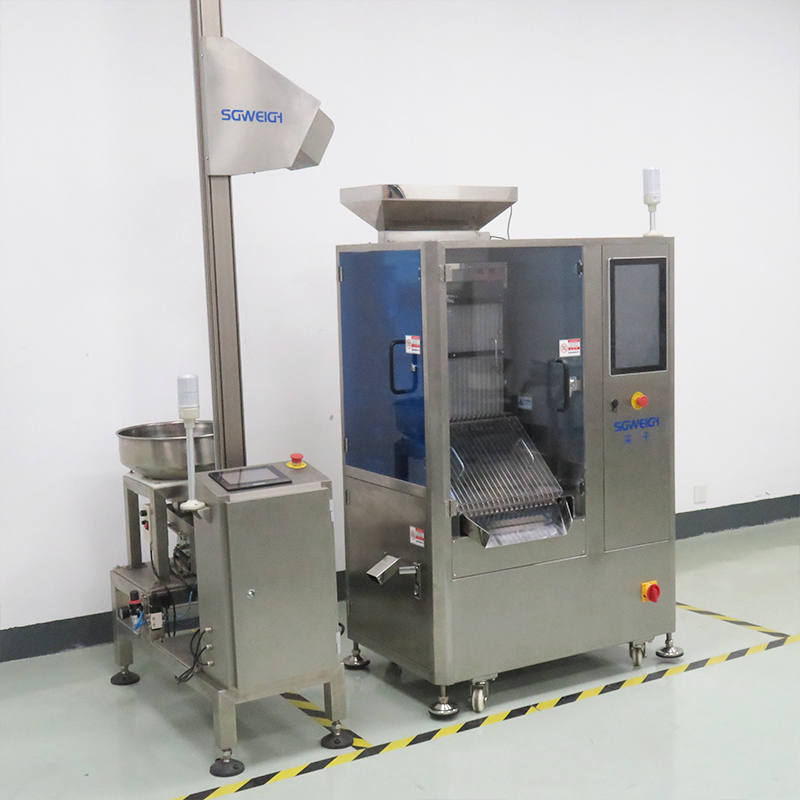
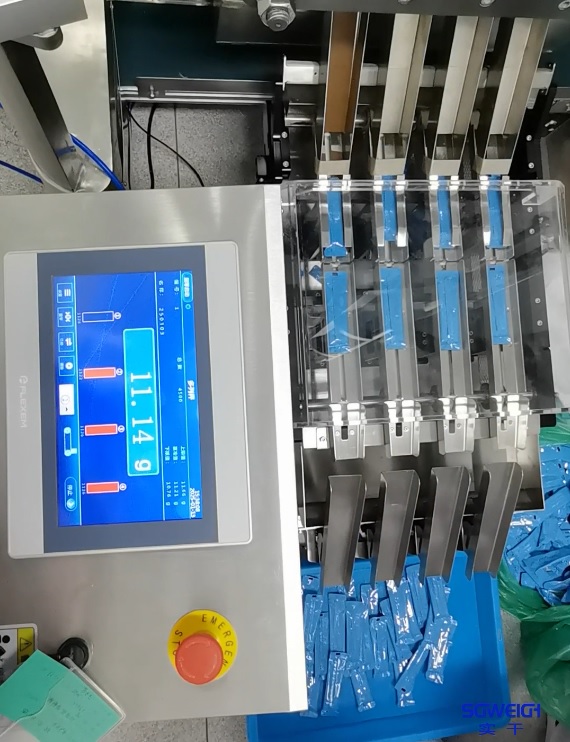
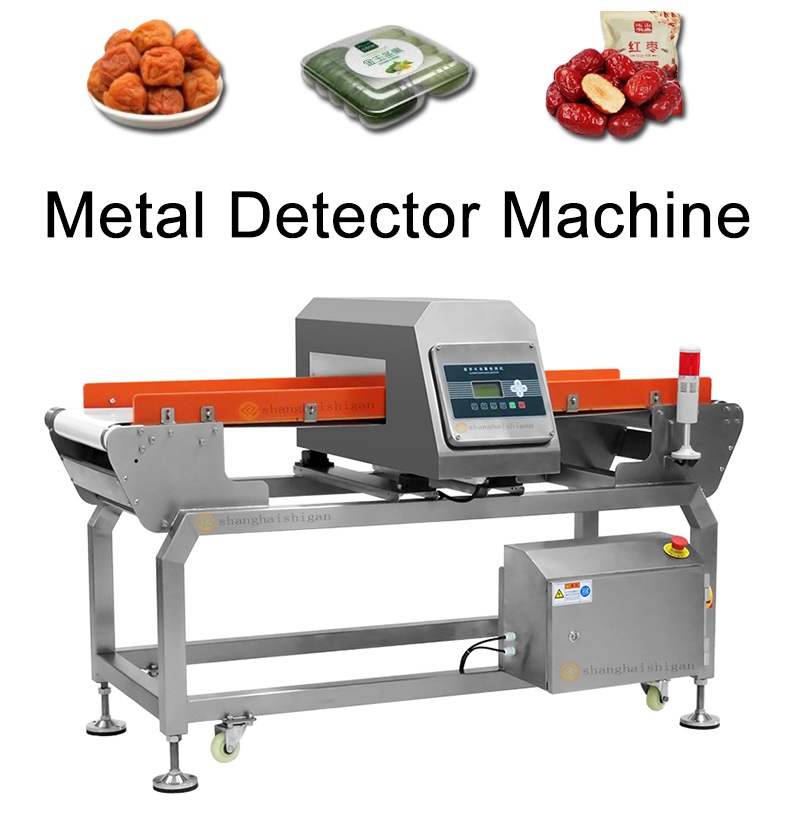
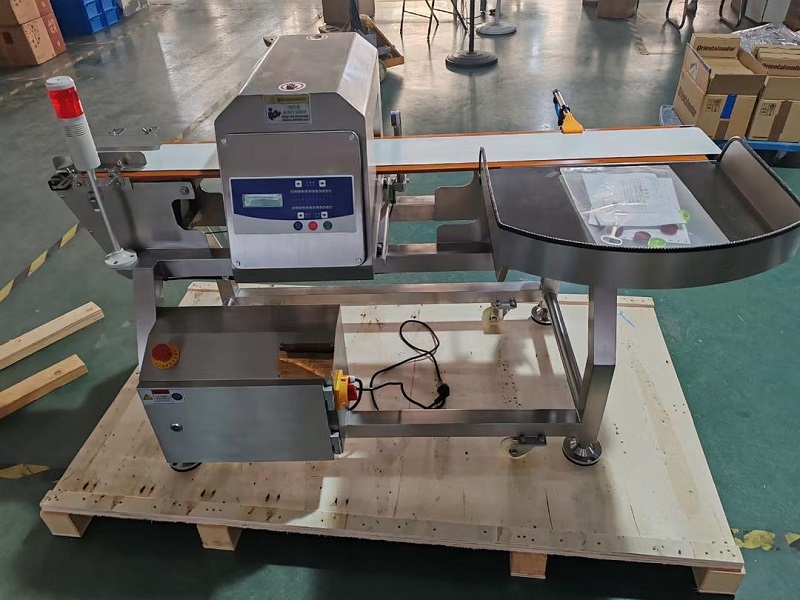
In modern food production, food safety remains a core concern for the industry. With the development of automation and intelligent detection technologies, Food Metal Detectors have become an indispensable quality control device for food processing enterprises. Through highly sensitive electromagnetic induction technology, they accurately identify metallic foreign objects such as ferrous, non-ferrous, and stainless steel mixed into products, ensuring food quality and consumer health and safety.
■ High-Sensitivity Detection, Adaptable to Various Food Forms
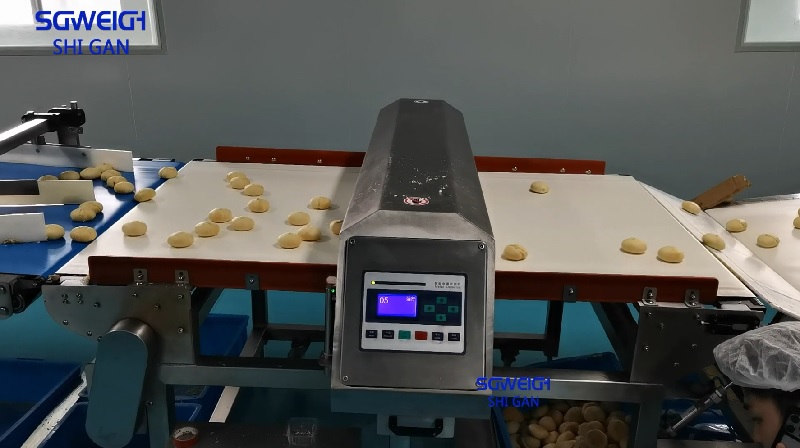
The food metal detector employs advanced signal processing algorithms, enabling stable detection under conditions of high humidity, high salinity, and complex packaging. It can quickly detect various products, including bread, meat products, frozen foods, snacks, and vacuum-packed condiments. Some models also support multi-frequency detection modes, automatically adjusting detection parameters for different food characteristics to improve accuracy.

■ Automatic Rejection System, Enhancing Production Efficiency
To prevent substandard products from entering the market, the equipment is equipped with an automatic rejection device that automatically rejects products containing metallic foreign objects based on production line speed, achieving unattended intelligent detection. Common rejection methods include air-blowing, lever-type, and flip-plate-type, suitable for food products with different packaging specifications and conveying methods.
■ Compliant with International Food Safety Standards
Modern food metal detectors typically comply with international food safety system standards such as HACCP, IFS, BRC, and FDA. They can seamlessly integrate with the automatic weighing, packaging, and labeling systems of production lines to form an integrated testing solution. This not only improves testing efficiency but also helps companies successfully pass third-party food safety audits.
■ Intelligent and Data-Driven Management
With the development of Industry 4.0, metal detectors are gradually evolving towards intelligent operation. The equipment can achieve human-machine interaction through a touchscreen, and test data can be automatically recorded, exported, or uploaded to the MES system, enabling traceable management of the testing process. Some high-end models also support remote monitoring and self-inspection functions, facilitating equipment maintenance and production tracking for enterprises.


TAGS