

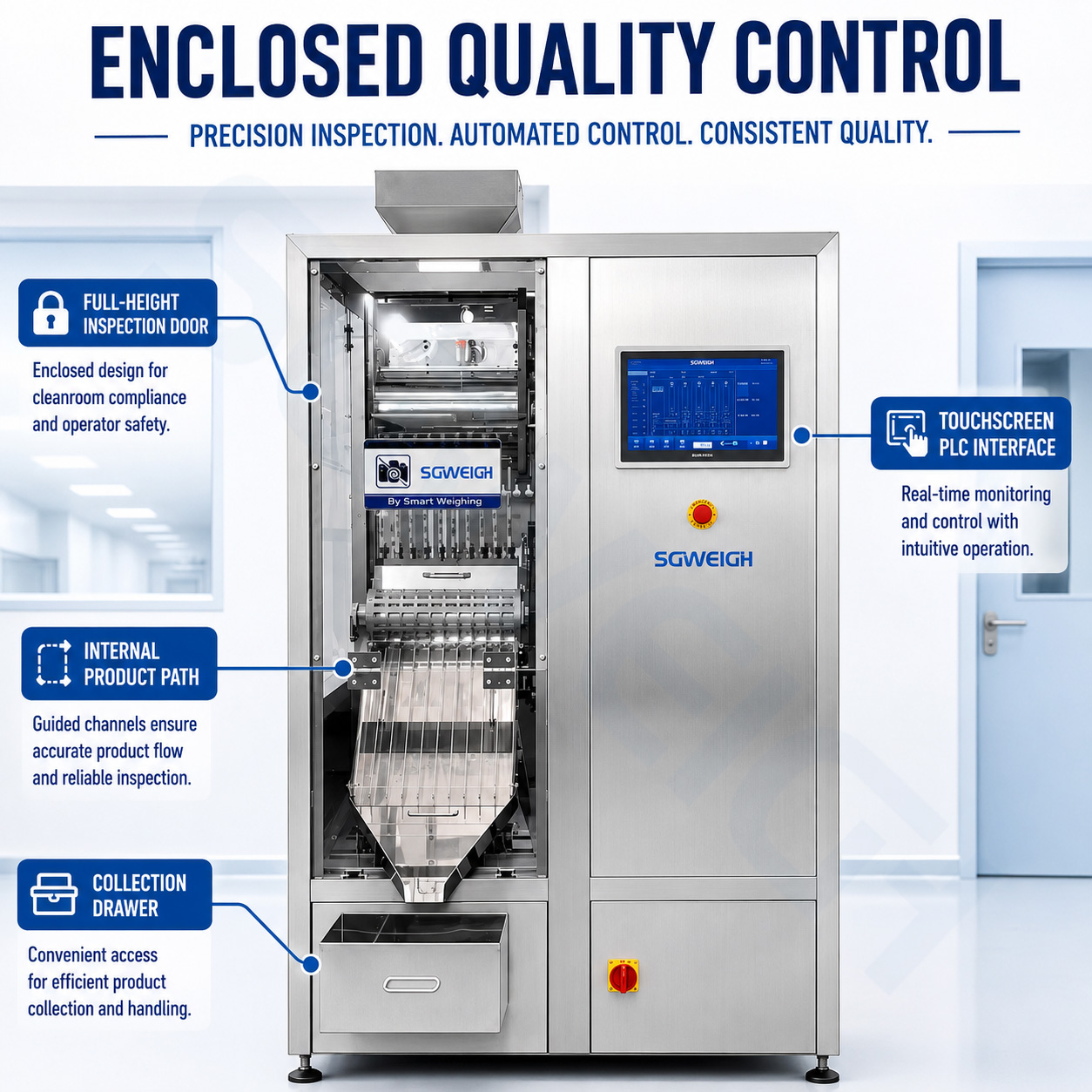
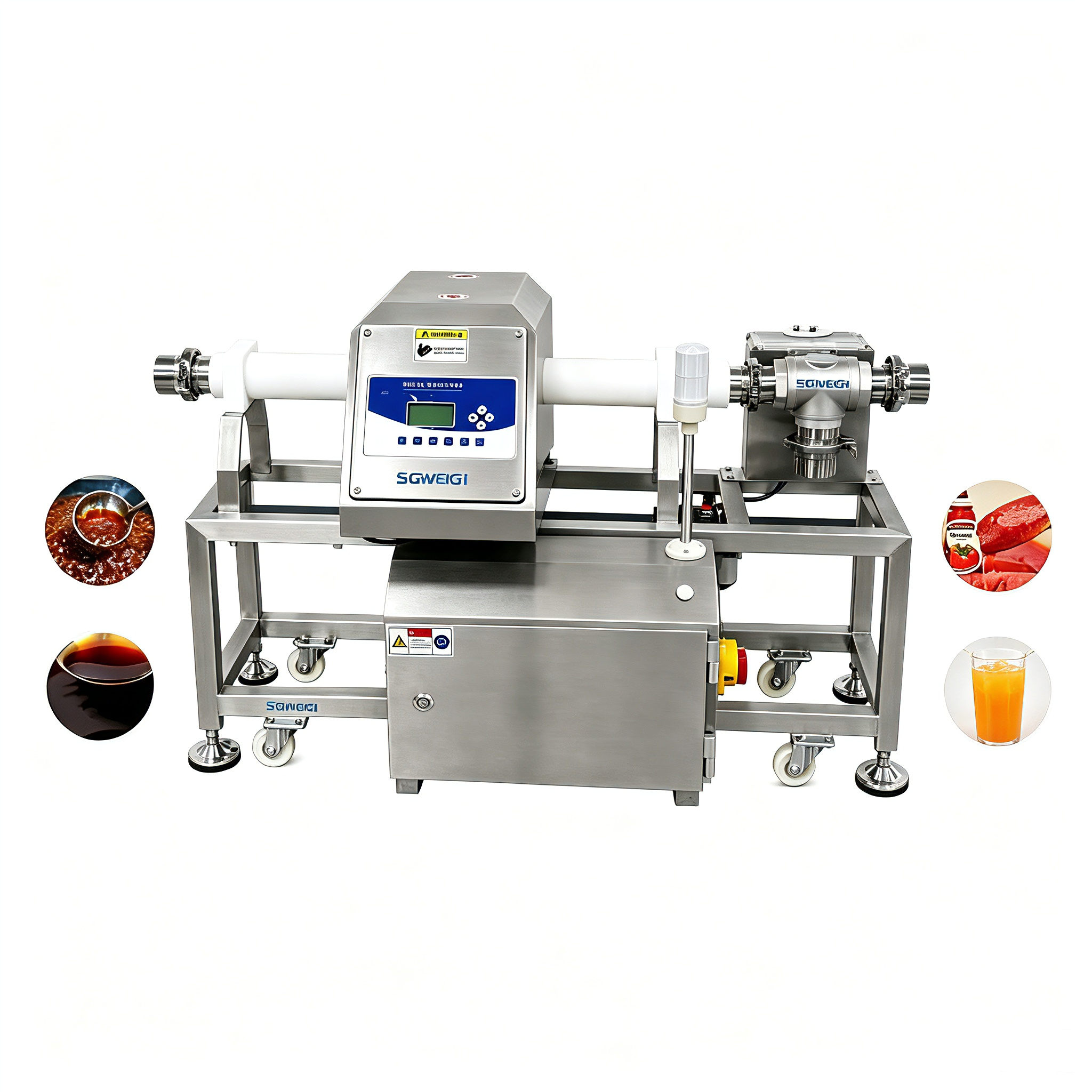

Checkweighers are critical in the food industry for several reasons, primarily revolving around quality control, regulatory compliance, and operational efficiency. Here’s why they are so important:
1. Ensuring Consistent Product Quality
- Weight Accuracy: In the food industry, it’s essential that products meet specific weight standards to ensure customers receive the correct portion size and value for money. Checkweighers can detect underweight or overweight products, ensuring consistent quality.
- Portion Control: In food manufacturing, especially for packaged products like snacks, canned goods, and frozen meals, maintaining uniform portion sizes is critical. Checkweighers ensure that the product weight matches the target weight specifications set by the manufacturer or regulatory body.
2. Regulatory Compliance
- Legal Requirements: Food products are often required by law to meet specified weight standards for fair trade and consumer protection. In many countries, regulatory bodies such as the FDA (Food and Drug Administration), EFSA (European Food Safety Authority), or FTC (Federal Trade Commission) set weight and labeling requirements. Checkweighers help companies stay compliant by ensuring they don’t underfill packages, which could lead to fines, recalls, or legal issues.
- Prevention of Fraud: Over- or underweight products could be seen as deceptive practices. Accurate checkweighing prevents the possibility of selling underfilled packages, which can damage brand reputation and lead to consumer complaints or legal action.
3. Reducing Waste and Cost Control
- Minimizing Product Waste: Checkweighers help reduce overpacking, which in turn reduces product waste and saves money. Overpacking happens when manufacturers add excess product to meet the required weight, leading to higher costs. By ensuring products are filled to the precise weight, checkweighers help manufacturers control production costs.
- Cost Savings: By detecting faulty or mis-weighted products early in the process, checkweighers help companies save money by reducing the need for rework or product returns, and they optimize raw material usage.
4. Increasing Operational Efficiency
- High-Speed Processing: Checkweighers can process a large number of items quickly and efficiently, ensuring that production lines remain fast and uninterrupted. This capability is crucial in high-volume food manufacturing, where downtime can be costly.
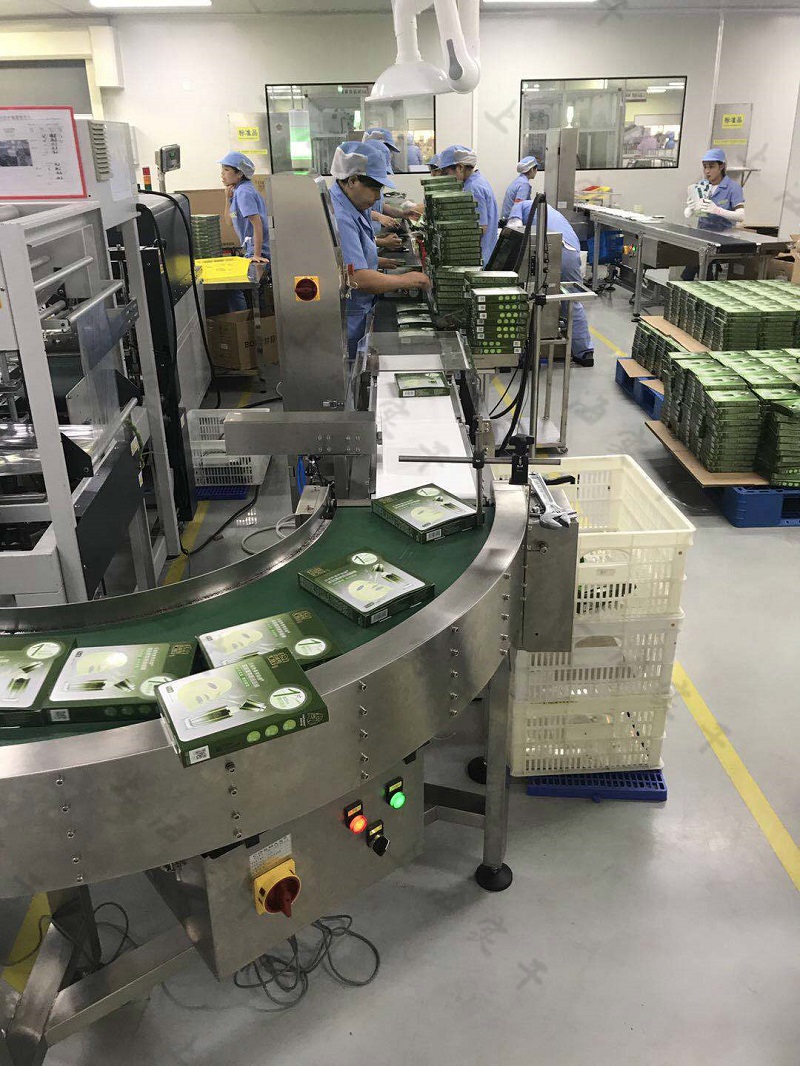
- Automation and Integration: These systems integrate seamlessly with other automated systems in food production, such as packaging, labeling, and sorting. This integration ensures a smooth flow of products through the production line and helps streamline operations.
5. Traceability and Data Logging
- Product Traceability: Many modern checkweighers can store and log data, which is essential for traceability, especially in the case of recalls or quality audits. If a batch is found to have issues, the data from the checkweigher helps track back to the specific production line and identify the problem.
- Continuous Monitoring: Checkweighers continuously monitor weight throughout production. This allows manufacturers to detect small deviations from the standard immediately, ensuring quality control throughout the process and avoiding large-scale errors.
6. Enhancing Customer Satisfaction
- Consistency in Product Weight: Consumers expect consistency in product weight, especially for packaged foods. Checkweighers help ensure that each product is accurately weighed and consistent, which helps maintain customer satisfaction and trust.
- Consumer Protection: By ensuring the right weight, checkweighers protect the consumer from being shortchanged, which can enhance brand loyalty and reduce complaints.
7. Food Safety and Hygiene
- Minimizing Human Error: Manual weighing can introduce human error, particularly in fast-paced production environments. Checkweighers automate this process, reducing the risk of mistakes, contamination, and ensuring greater hygiene as human touch is minimized.
- Adaptability to Different Products: Different food products come in various sizes, shapes, and packaging formats, which checkweighers are designed to handle. This makes them versatile and able to meet food industry needs, from dry foods to liquids or delicate items.
Conclusion
In the food industry, checkweighers are essential for maintaining high standards of product quality, ensuring regulatory compliance, and improving operational efficiency. By automating the process of checking weights, these machines help prevent errors, reduce costs, minimize waste, and ensure that consumers receive the correct amount of product. Their role in protecting consumer interests, promoting sustainability, and improving production line productivity makes them an indispensable tool for modern food manufacturers.
Tag:check weigher,weighing machine,check weight machine