


Introduction
In pharmaceutical manufacturing, metal contamination control is an essential part of product quality management. During tablet compression, granulation, conveying, and other production processes, metal fragments may enter the product stream due to equipment wear, component damage, or unexpected foreign material ingress.
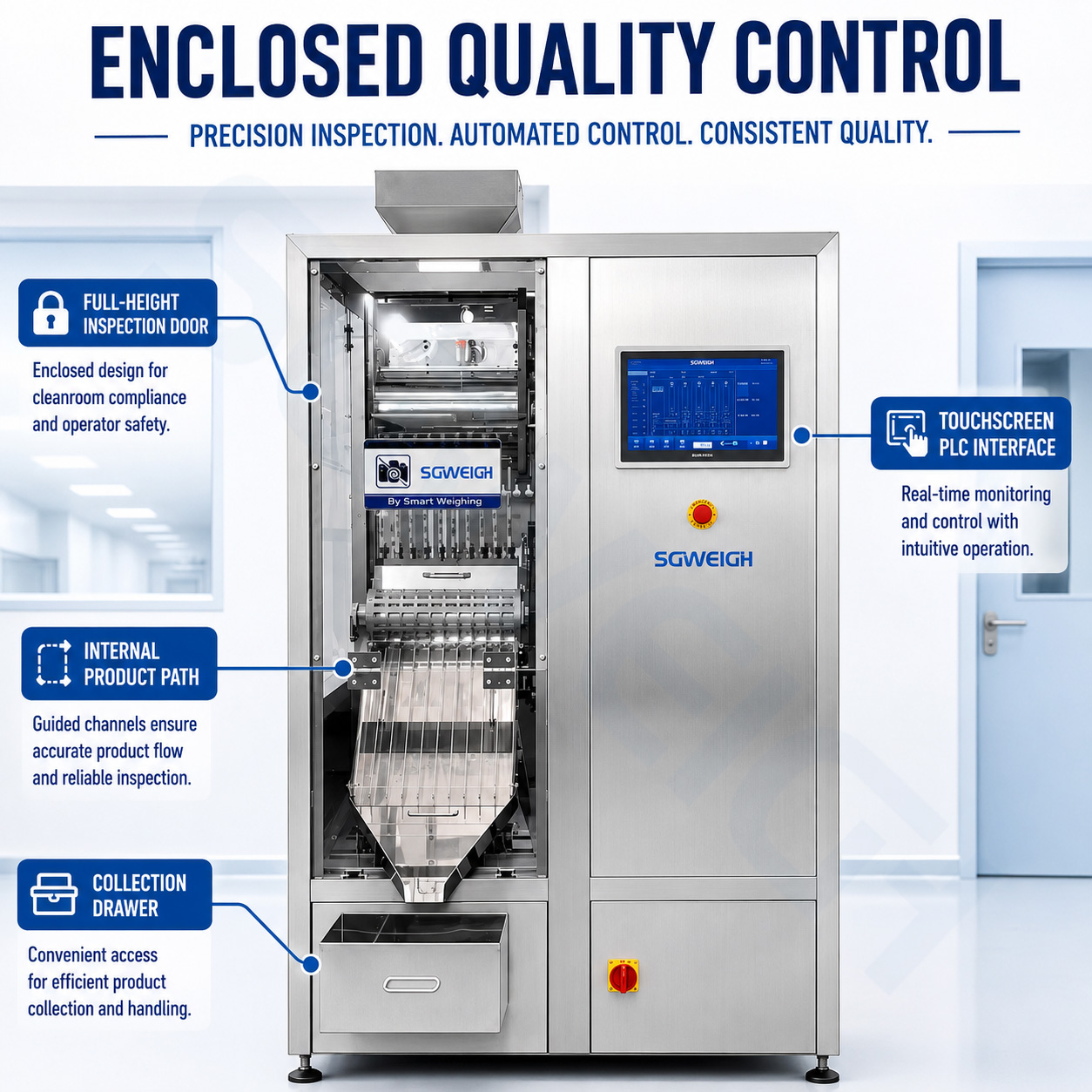
A Pharmaceutical Tablet Metal Detector is designed to identify metal contaminants in tablets during production and trigger a configured rejection mechanism when a suspicious product is detected. Integrated into an appropriate tablet inspection line, it helps manufacturers strengthen foreign-material control, reduce contamination risks, and improve inspection efficiency.
How Does a Pharmaceutical Tablet Metal Detector Work?
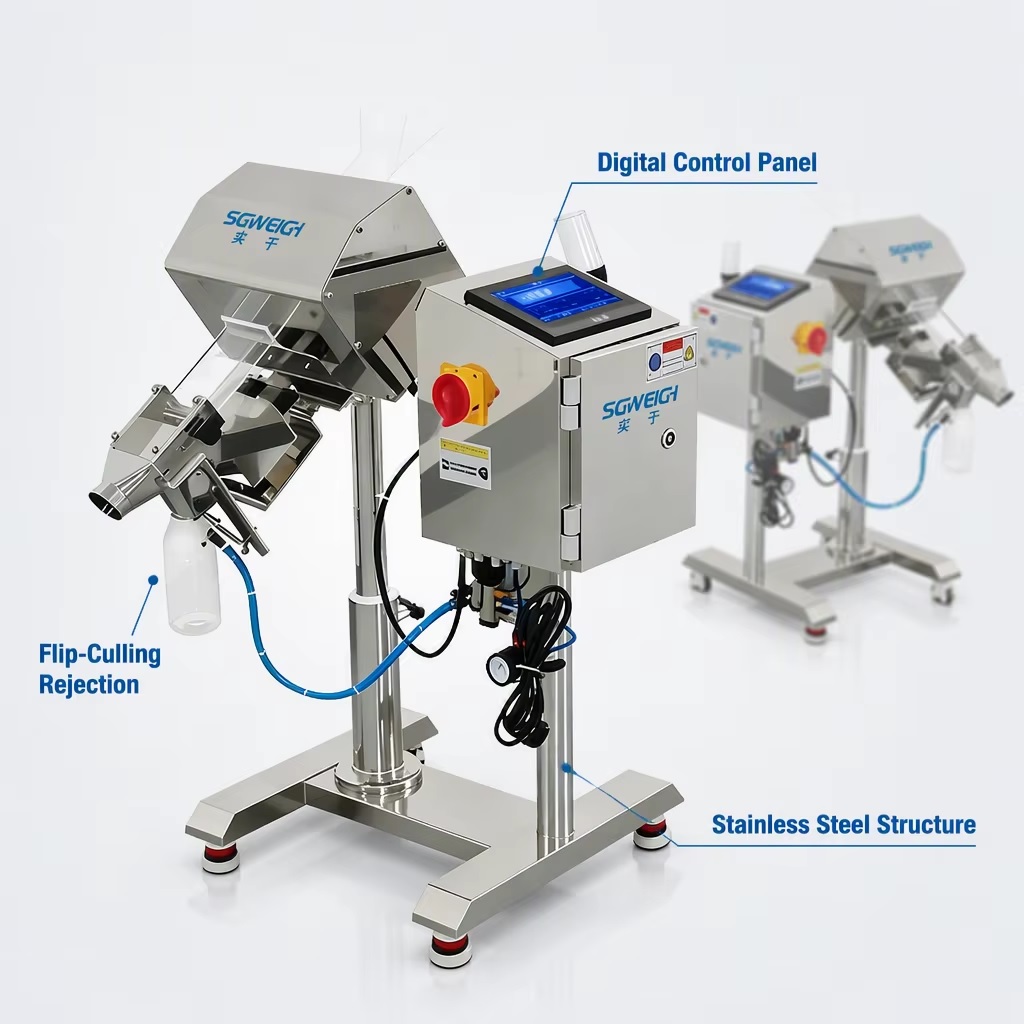
A tablet metal detection system typically uses electromagnetic sensing technology. When tablets pass through the detection zone, the system monitors changes in the electromagnetic field. If a metal contaminant produces a signal that meets the configured detection criteria, the detector activates an alarm or sends a signal to the rejection mechanism.
Depending on the machine design and production requirements, the system may include:
- Metal contamination detection: Identifies detectable ferrous, non-ferrous, and stainless-steel contaminants, subject to the detector configuration and application conditions.
- Automatic rejection: Removes or diverts suspected contaminated tablets through a compatible rejection mechanism, helping prevent them from entering the qualified product stream.
- Continuous online inspection: Supports inspection during tablet production without requiring every batch to be checked manually.
- Adjustable detection settings: Allows authorized operators to configure suitable inspection parameters according to the product, test conditions, and production requirements.
- Production line integration: Can be configured for connection with compatible tablet feeders, conveyors, and downstream pharmaceutical equipment.
Actual detection performance depends on the aperture size, tablet characteristics, contaminant material and orientation, machine settings, and operating environment. Application-specific testing is essential to establish suitable detection limits.
Where Should a Tablet Metal Detector Be Installed?
A tablet metal detector can be positioned at an appropriate stage of the pharmaceutical production process, depending on the product flow and the manufacturer’s contamination-control strategy.
1. After Tablet Compression
Inspection after compression can help identify metal contamination introduced during tablet pressing or subsequent handling. The system should be selected according to the tablet dimensions, throughput, and transfer method.
2. Before Blister Packaging
Installing a tablet metal detector before blister packaging provides an additional inspection point before tablets enter the packaging process. This can help reduce the risk of suspected contaminated tablets proceeding to the next production stage.
3. Within an Automated Tablet Production Line
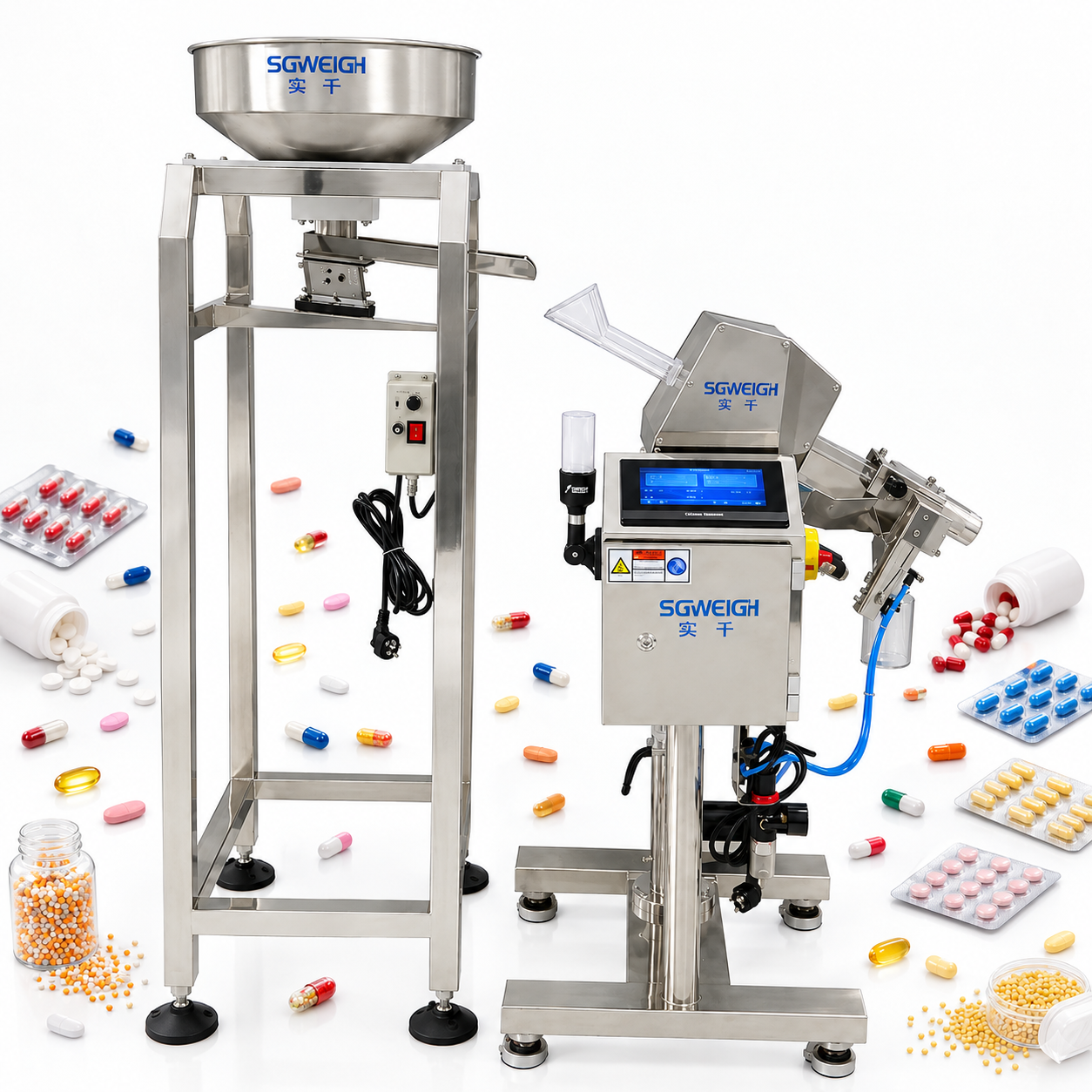
For automated manufacturing, the metal detector can be integrated with compatible feeding, conveying, and rejection equipment. A properly coordinated system helps maintain product flow while separating suspected contaminated tablets from acceptable output.
The final installation position should be determined by a process risk assessment, equipment compatibility, and the manufacturer’s quality procedures.
What Are the Key Benefits of a Tablet Metal Detection System?
Improved Foreign-Material Control
The system provides a dedicated inspection step for detectable metal contaminants, supporting a more systematic approach to pharmaceutical product quality management.
Automated Product Rejection
When a detection event occurs, the configured reject mechanism can divert the affected product or relevant product stream. Reject confirmation and fault alarms can also be incorporated where supported by the machine design.
Reduced Manual Inspection Workload
Online detection reduces reliance on manual inspection for metal contamination and supports more consistent monitoring during production.
Integration with Pharmaceutical Equipment
A tablet metal detector can be configured for integration with suitable tablet presses, feeders, conveyors, and blister packaging lines, subject to the production layout and equipment interfaces.
Support for Documented Quality Procedures
Inspection settings, rejection tests, alarm handling, and maintenance activities can be incorporated into the manufacturer’s quality procedures. Where required, suitable documentation, data recording, and validation arrangements should be confirmed for the specific equipment and software configuration.
How Do You Select the Right Tablet Metal Detector?
Choosing the right pharmaceutical metal detector requires more than comparing nominal sensitivity figures. Manufacturers should evaluate the complete inspection application.
- Tablet size and shape: Confirm the product dimensions and the required detection aperture.
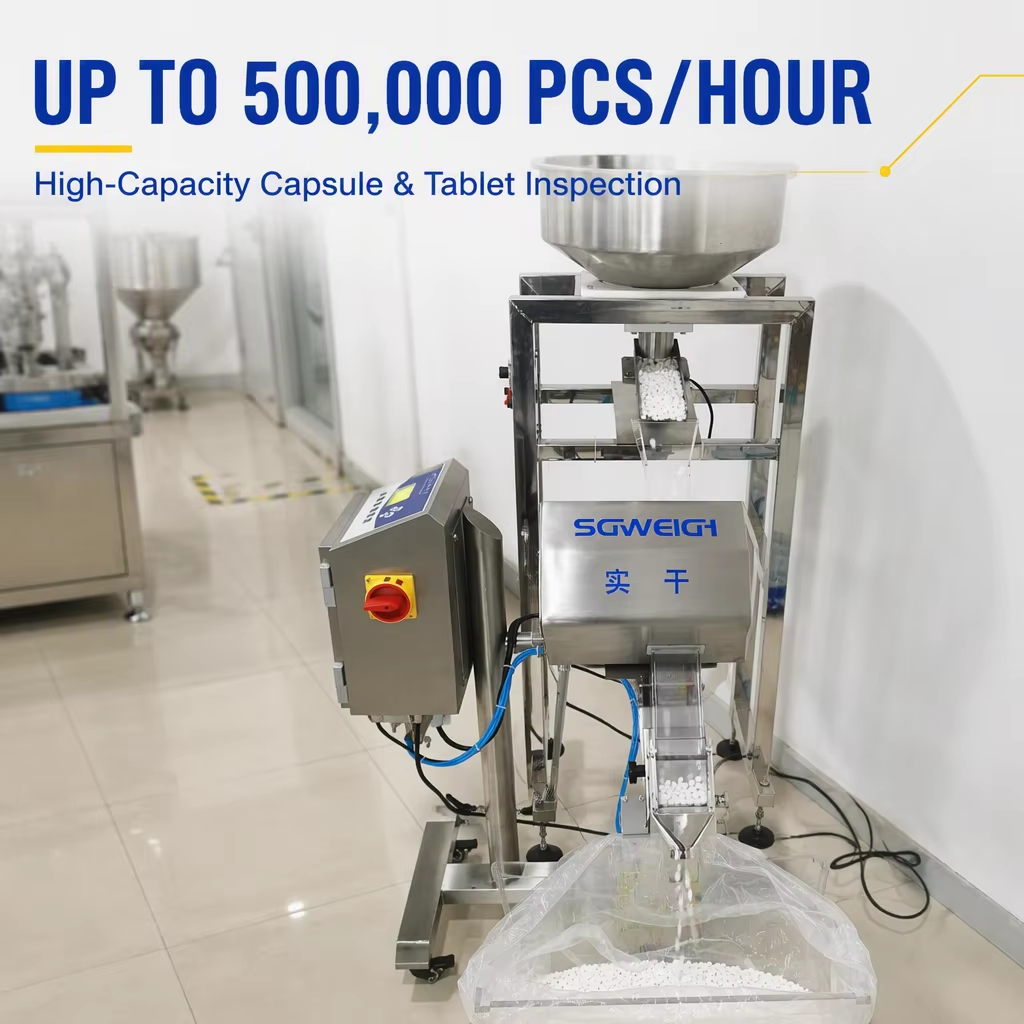
- Production speed: Match the detector’s validated operating capacity to the actual production rate.
- Target metal contaminants: Define the relevant ferrous, non-ferrous, and stainless-steel test materials.
- Detection sensitivity: Establish achievable detection performance through trials using representative tablets and test samples.
- Rejection mechanism: Select a suitable method for separating suspected contaminated products without disrupting normal product flow.
- Cleaning and maintenance: Evaluate product-contact materials, accessibility, and cleaning requirements for the intended pharmaceutical environment.
- Line compatibility: Check inlet and outlet dimensions, transfer height, control signals, and communication requirements.
- Quality documentation: Confirm the availability of operating instructions, test procedures, maintenance records, and any required validation or electronic-record functions.
Conclusion
A pharmaceutical tablet metal detector is an important inspection option for manufacturers seeking to strengthen metal foreign-material control during tablet production and before packaging. By combining electromagnetic detection, suitable product handling, and reliable rejection procedures, the system can support automated inspection and pharmaceutical quality management.
For the best results, equipment selection should be based on actual tablet samples, production speed, target contaminants, and documented performance testing rather than sensitivity claims alone.
Looking for a tablet metal detector for your pharmaceutical production line? Contact our team to discuss your tablet specifications, required production capacity, detection targets, and integration requirements. We can help evaluate a suitable inspection configuration for your application.

TAGS