


1. Introduction
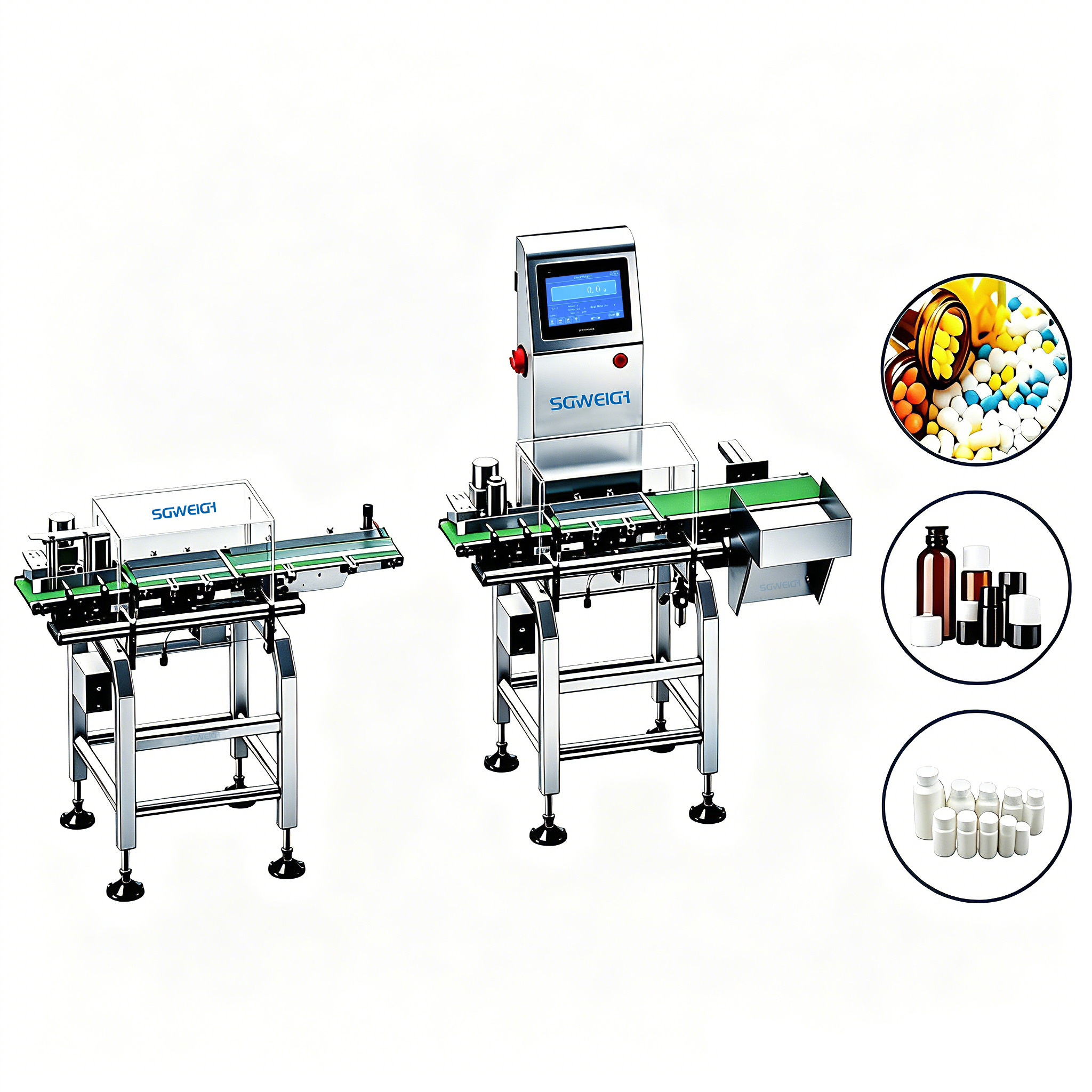
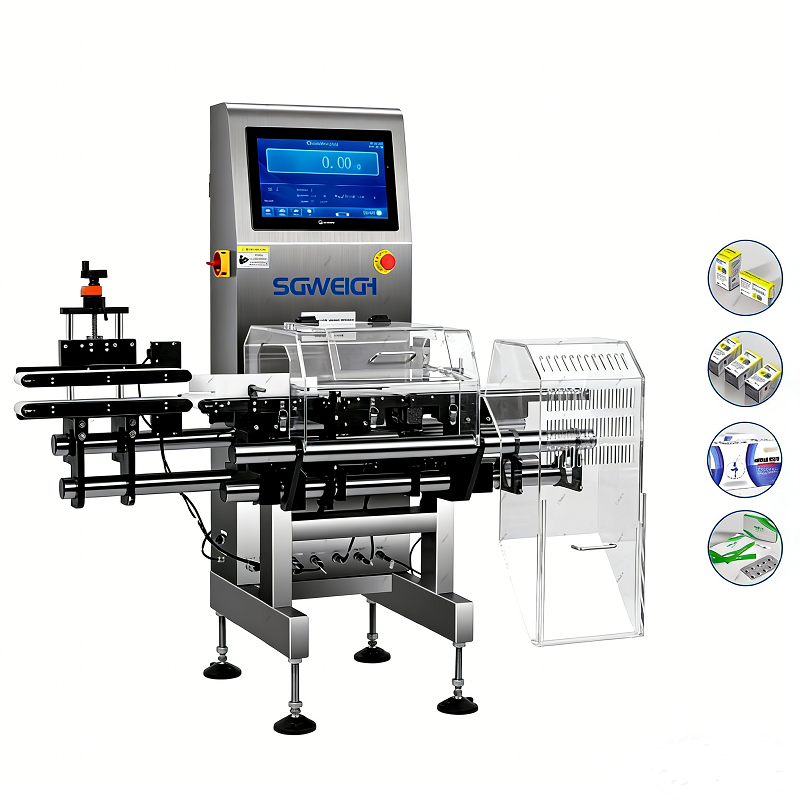
A Checkweigher ensures weight compliance, rejects unqualified products and improves production efficiency. Many buyers pick unsuitable models due to unclear selection criteria, causing high error rates and extra costs. This simplified guide tells you how to choose a checkweigher for your production line.
2. Confirm Your Product Specifications
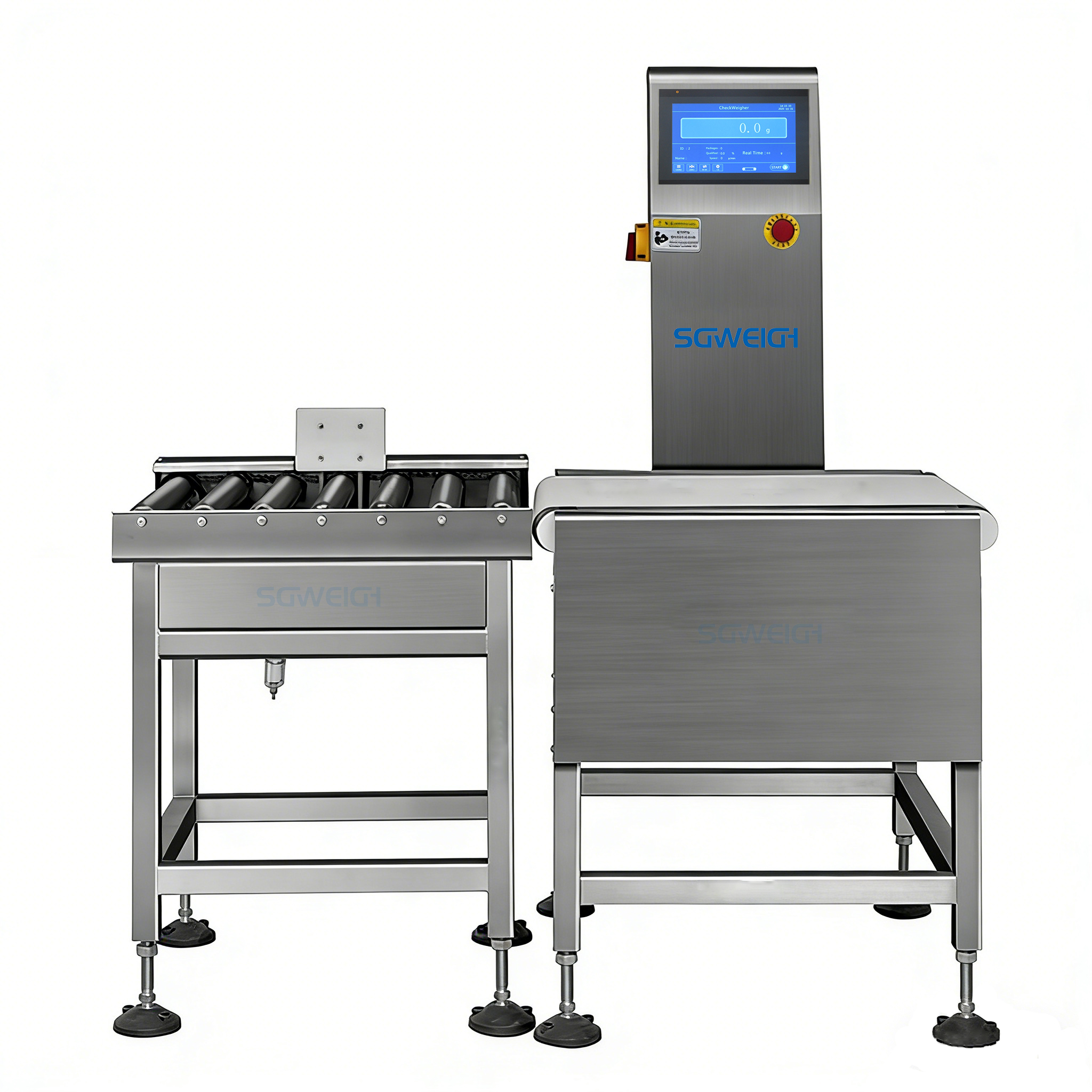
Match the machine structure according to your product features:
– Light goods (1g-1kg): Sachets, medicine boxes, require high-precision sensors.
– Medium goods (1kg-10kg): Bottles, cans, adopt standard checkweighers.
– Heavy goods (10kg-50kg): Cartons, bulk bags, use heavy-duty models.
Besides, irregular, soft or slippery products need customized belts and guide rails to avoid shaking.
3. Determine Accuracy & Line Speed
Accuracy and speed are core purchasing parameters, and they are mutually restricted.
3.1 Weighing Accuracy
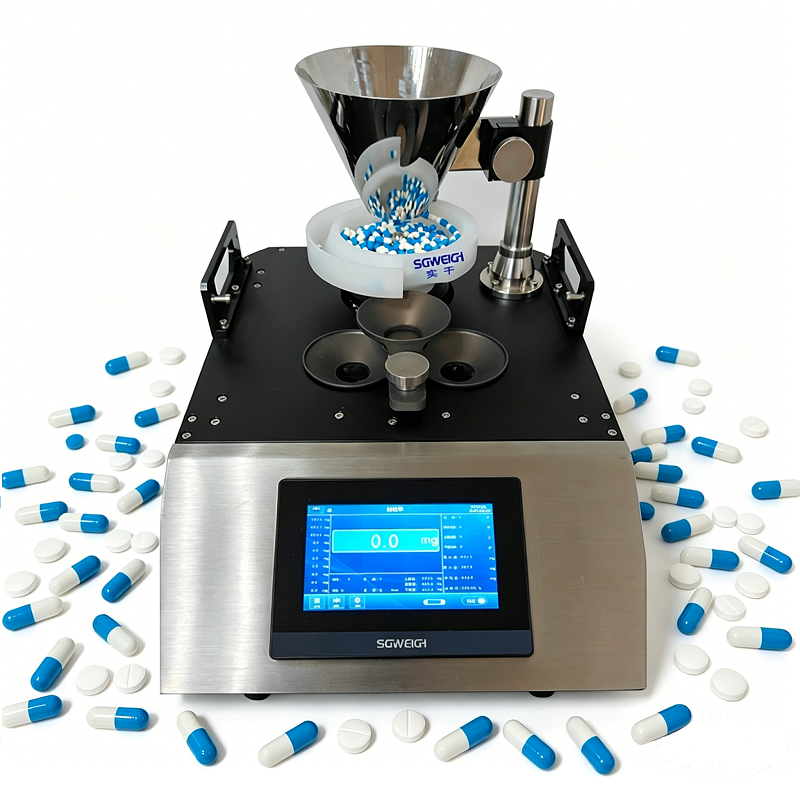
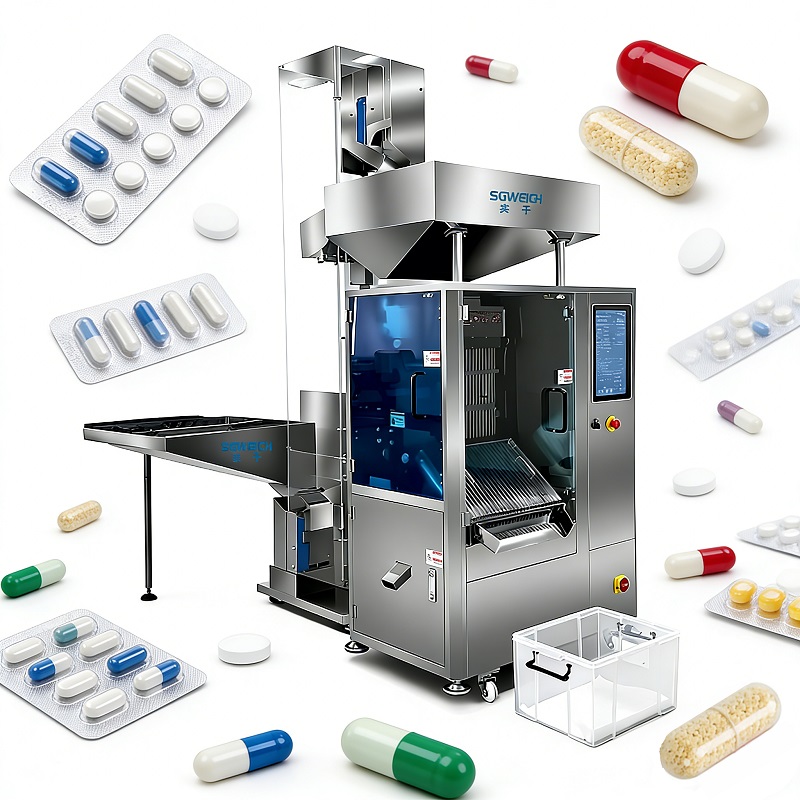
– Pharmacy: ±0.5mg – ±0.5g
 – Food & Daily chemical: ±0.01g – ±2g

3.2 Running Speed
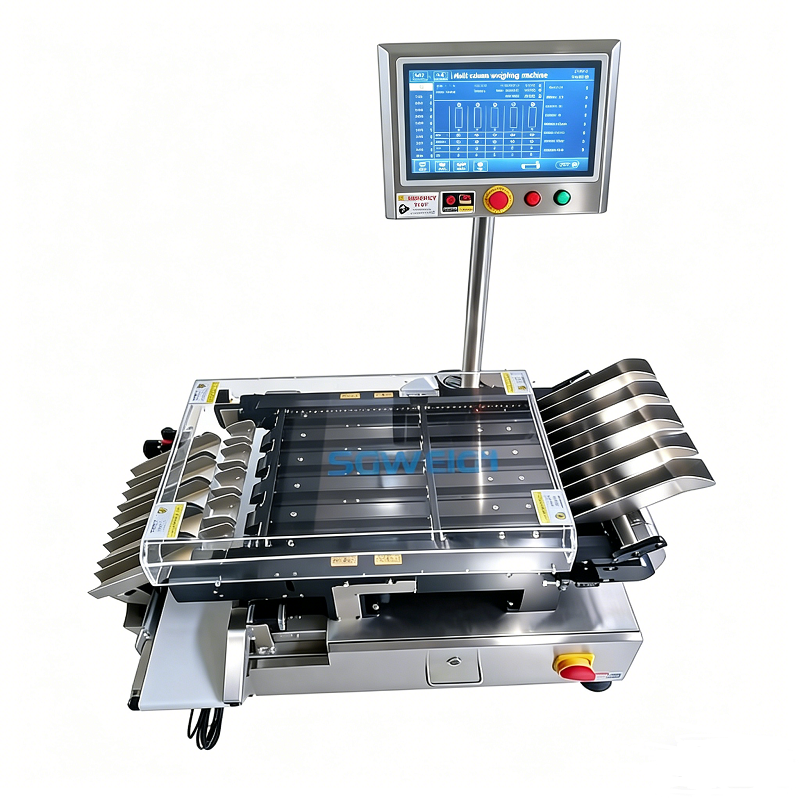
Match the speed with your packaging machine: 20-60 PPM for heavy goods; 60-150 PPM for regular products; 150-600 PPM for tiny sachets.
4. Adapt to Your Working Environment
– IP Rating: Choose IP65/IP66 for wet food factories; IP54 for dry workshops.
– Vibration & Temperature: Keep away from vibrating equipment to prevent data drift.
– Special demand: Chemical industries need explosion-proof checkweighers.
5. Choose Appropriate Rejection System
Select rejection methods based on product types to avoid damage:
– Air jet: Light sachets & empty bags
– Pusher: Rigid bottles & boxes
– Tilting mechanism: Heavy cartons
– Flap drop: Fragile products
6. Check Certifications & Compatibility
6.1 Industry Certifications
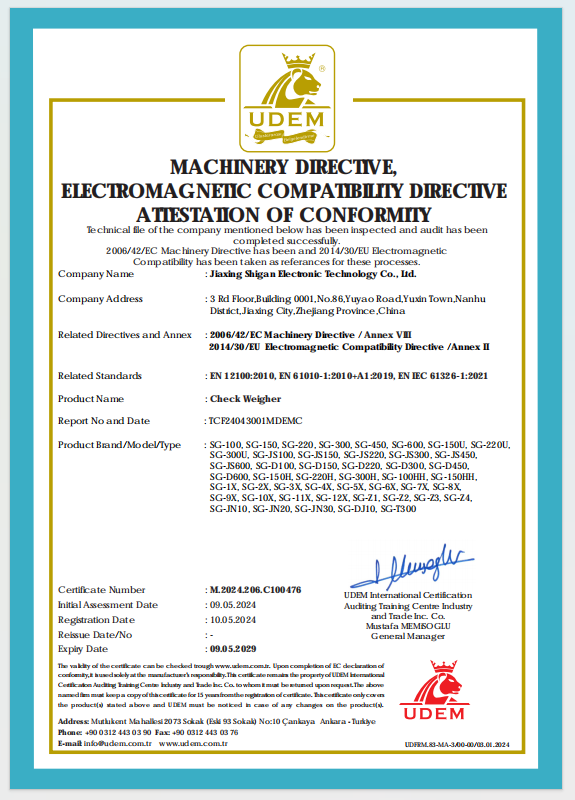
CE, MID, FDA and GMP certifications are necessary for export food and pharmaceutical factories.
6.2 Line Integration
Modern checkweighers support Ethernet, RS485 and USB data export, compatible with MES/ERP system. It can also combine with metal detectors and X-ray machines for integrated inspection.
7. Manufacturer Strength & After-Sales Support
Reliable manufacturer support ensures long-term stable operation of your checkweigher. It is recommended to choose suppliers that provide professional technical guidance and global after-sales services, such as remote debugging and online technical support, to minimize production downtime.
8. Common Buying Mistakes
A. Pursuing excessive accuracy unnecessarily.
B. Ignoring workshop vibration and humidity.
C. Selecting mismatched rejection structures.
D. Neglecting data export function.
E. Buying uncertified low-cost machines.
9. FAQ
9.1 How accurate should a checkweigher be?
±0.01~±20g for daily chemicals and food; ±0.5mg~±0.1g for pharmaceutical products.
9.2 Can checkweighers work in harsh environments?
Yes. IP65/IP66 waterproof models fit humid and dusty workshops.
9.3 Can it connect to my existing production line?
Yes. Most checkweighers support seamless line docking with customizable height.
9.4 How often to calibrate?
Regular professional calibration is recommended to sustain stable weighing performance.
10. Conclusion
To pick a suitable checkweigher, focus on product specs, accuracy, speed, environment and certification instead of pure price. A reasonable choice reduces rejection rates and long-term costs. Contact us for customized checkweigher solutions.
TAGS